Lump Charcoal Vs Briquettes: Which BBQ Fuel Is Best
Author: Sasha Halabi
%20(1).jpg)
Choosing the right fuel is one of the most important decisions you make when cooking over fire. It affects heat control, cooking time, flavour, and how hands-on the cook feels. The same BBQ, spit, or parrilla can perform completely differently depending on what you burn.
This guide breaks down the real differences between lump charcoal, charcoal briquettes, and cooking wood, explains when each fuel works best, and helps you choose the right option for the way you cook.
Why Fuel Choice Matters
Fuel is not just about heat. It determines how steady your fire is, how often you need to adjust it, how much ash builds up, and how predictable your results will be.
Understanding fuel properly removes guesswork. It makes fire cooking easier, more efficient, and far more enjoyable, especially when cooking for others.
Lump Charcoal
Natural, Responsive And Versatile.
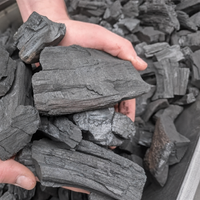
Lump charcoal is made from real hardwood that has been carbonised with no additives. It lights relatively quickly, burns hot, and responds fast when you add or remove fuel.
When Lump Charcoal Is Best
-
Direct grilling and searing
-
Parrilla and height-adjustable grills
-
Mixed cooks that need heat changes
-
Spit roasting cooks
Lump charcoal is a strong all-round option for charcoal BBQs, Cyprus spits, and Parrilla grills, especially when you want responsiveness rather than set-and-forget cooking.
.jpg)
Hardwood Lump BBQ Charcoal
Hardwood Lump BBQ Charcoal 20kgs by Flaming Coals is a premium everyday lump charcoal made from 100% Laban hardwood. It produces very little smoke once lit, minimal sparks, and low ash, making it suitable for both home cooking and professional environments.
Its low moisture content delivers a clean, dry heat that lasts longer than lighter lump charcoal. This makes it ideal for grilling, roasting, and general charcoal cooking where consistent performance matters.
If you want one charcoal that covers most cooking styles well, this is it.
Mallee Root Lump Charcoal
Long Burning & Ideal For Spit Roasting.
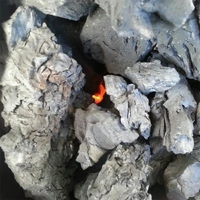
Mallee root lump charcoal is denser and burns cooler than many other hardwood charcoal options, which makes it particularly well suited to longer cooks.
When Mallee Root Charcoal Makes Sense
-
Spit roasting
-
Long indirect cooks
-
Ceramic cookers
-
Situations where steady heat matters more than peak temperature
Mallee Root Lump Charcoal for BBQ Spit Roast Cooking 20KG is chemical-free, sustainably sourced in Australia, and produces very low ash. The varied lump sizes burn at different rates, helping prevent the coal bed from burning out all at once.
This makes mallee root charcoal one of the best options for spit roasting, especially when cooking for groups.
Gidgee Charcoal
High Heat & Long Burn Time.
Gidgee charcoal is one of the densest natural charcoal available in Australia. It takes longer to light, but once established it delivers extremely high heat.
Best Uses For Gidgee Charcoal
-
High-heat grilling and steak searing
-
Offset smokers
-
Pizza ovens
-
Snake and minion smoking methods
Gidgee Charcoal for Smoking and Charcoal Grilling – 20KG is ideal where heat intensity and longevity are important. As it burns hotter than mallee root charcoal, it is often preferred for smoking setups and grills that require really high heat.
.jpg)
Charcoal Briquettes
Consistent, Predictable & Long-Lasting.
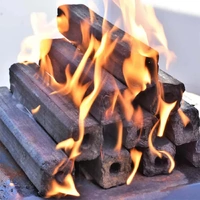
Charcoal briquettes are engineered to burn evenly and for long periods. They are less responsive than lump charcoal but far more stable, making them easier to manage during extended cooks.
When Briquettes Are The Right Choice
-
Rotisserie cooking
-
Low and slow smoking
-
Long entertaining sessions
-
Cooks where consistency matters more than speed
High-Performance Charcoal Briquettes
Flaming Coals HotRods Charcoal Briquettes are Japanese-grade bamboo briquettes designed to burn extremely hot and for extended periods. Independent testing has shown burn times of up to six hours.
They are odourless, clean burning, and require less fuel to maintain stable temperatures. Because they have no additives, they work exceptionally well when paired with lump charcoal or smoking wood for flavour.
HotRods are ideal when you want long, steady heat with minimal intervention.
Cooking Wood
Flavour, Aroma & Fire Character
Cooking wood behaves very differently to charcoal. It burns hotter, produces smoke, and should be used deliberately. For most backyard cooks, wood works best as a flavour enhancer rather than a primary fuel source.
The most reliable approach is to use charcoal for heat stability and add cooking wood to introduce smoke and aroma.
Wood Splits
For Smokers, Fireboxes & Pizza Ovens
Wood splits are designed for use in offset smokers, pizza ovens, and open fireboxes where airflow and combustion can be properly managed.
Australian Ironbark Wood Splits
Australian Ironbark Wood Splits 15kg are widely used across the Australian BBQ competition circuit. Ironbark is a dense hardwood that burns clean and evenly, producing a balanced smoke profile.
Ironbark pairs well with pork, beef, poultry, lamb, small goods, and seafood, making it one of the most versatile cooking timbers available.
Redgum Wood Splits
Redgum Splits Smoking & Firewood 15kg produce a slightly stronger smoke flavour than ironbark and are commonly used in pizza ovens and smokers.
Redgum works particularly well with red meats and longer cooks, delivering a steady stream of clean smoke without becoming overpowering.
Smoking Wood Chunks
Controlled Smoke Without Heat Spikes
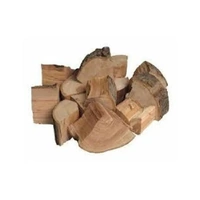
Smoking wood chunks are added to an established charcoal fire rather than used on their own. They burn slower than chips and produce longer, more consistent smoke.
Australian Smoking Wood Chunks
100% Australian Smoking Wood Chunks – 2Kg by Flaming Coals are ideal for kettles, offset smokers, gravity-fed smokers, and ceramic cookers. Three to five chunks are usually enough for an entire cook.
Available flavours include Apple, Cherry, Ironbark, Oak, Redgum, and a range of fruit woods such as Peach, Plum, Pear, and Apricot.
-
Apple and Cherry suit pork and poultry
-
Ironbark and Redgum pair well with beef and lamb
-
Fruit woods offer lighter smoke for vegetables and chicken
-
Oak provides a balanced, classic smoke
Outdoor Central stocks a wider range of Australian hardwood splits and smoking woods, allowing you to fine-tune flavour based on what you cook most often.
Mixing Fuels For Best Results
Most experienced fire cooks combine fuels. A stable charcoal base provides control, while wood adds flavour. This approach works across charcoal BBQs, Cyprus spits, Parrilla grills, smokers, and pizza ovens.
Mixing fuels gives you consistency without sacrificing character.
Common Fuel Mistakes
-
Using too much fuel at once
-
Cooking before charcoal is fully lit
-
Treating wood like charcoal
-
Ignoring ash buildup and airflow
Avoiding these mistakes makes fire cooking far easier and more predictable.
Which Fuel Should You Choose
There is no single correct answer. The best fuel depends on what you cook and how involved you want to be.
-
Lump charcoal for versatility and responsiveness
-
Mallee root charcoal for long, steady spit roasting
-
Gidgee charcoal for high heat and smoking
-
Charcoal briquettes for consistency and long burns
-
Cooking wood for flavour and aroma
Most experienced cooks use more than one.
In The End…
Fuel choice shapes the entire cooking experience. When you understand how charcoal, briquettes, and wood behave, fire cooking becomes calmer, more predictable, and far more rewarding.
The right fuel, used the right way, turns good equipment into great food