
SMOKERS
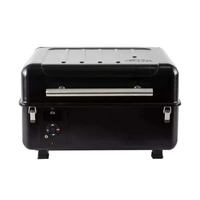
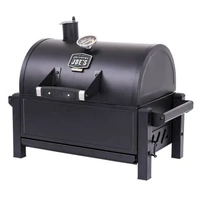
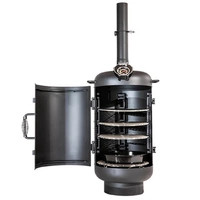
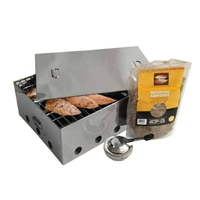
BBQ smoking, smoked meats, and American-style BBQ have exploded in popularity over the past couple of decades. Back in the early 2000s, if you wanted to try proper smoked meat or buy a smoker BBQ, your options were limited to travelling overseas or building one yourself. Fast forward to today and Australia has well and truly embraced low and slow cooking. Chances are there’s a pub near you serving brisket, ribs, or pulled pork.
If you’re looking to buy a meat smoker for the first time, the choice can feel overwhelming. At BBQ Spit Rotisseries, we stock a wide range of smoker BBQs to suit different cooking styles, experience levels, and lifestyles. From ceramic smokers through to gas, electric, charcoal, fish, pellet, and offset smokers, there’s something to suit everyone.
Adding a meat smoker to your outdoor cooking setup opens the door to brisket, ribs, pulled meats, fish, smallgoods, and roasts, all cooked low and slow for rich flavour and tender results. With restaurant prices for smoked BBQ these days, a smoker quickly pays for itself, all while letting you cook incredible food at home.
Our range includes high-quality smoker BBQs from trusted brands such as Flaming Coals, ProQ, Traeger, Bradley, Camp Chef, Hark, Pro Smoke, SNS Grills, Oklahoma Joe’s, and Gasmate. Whether you’re just starting out or looking to upgrade, it’s easy to find a smoker that suits your needs and gets you cooking with confidence.
Our team lives and breathes BBQ. Many of our staff compete in BBQ competitions and have cooked on every style of smoker we sell. That means you get real-world advice on which smoker will best suit your cooking goals. You can reach us via live chat, email, phone, visit us in store in Seaford Melbourne, or shop online with Australia-wide delivery.

If you love the deep, smoky flavour that only slow cooking can deliver, a BBQ smoker is the ultimate way to elevate your outdoor cooking. From tender brisket to fall-off-the-bone ribs, nothing beats the results of low and slow BBQ at home.
Our extensive range of smoker BBQs and accessories is designed to help you achieve restaurant-quality results in your own backyard. Fire it up, take your time, and enjoy the process. After all, no great story was ever told around a bowl of salad.
Explore BBQ Smoker Options for Rich, Smoky Flavour
Cooking with a BBQ smoker delivers a depth of flavour that other cooking methods simply can’t match. From traditional wood-fired units to modern pellet smokers, there’s a smoker to suit every style of pitmaster.
Offset smokers are perfect for purists who enjoy managing the fire and chasing that authentic wood-smoked flavour, especially for larger cooks like brisket and ribs.
Gravity-fed smokers suit those looking for consistency and ease of use, offering steady temperatures and reliable smoke with minimal effort.
Pellet smokers are ideal for set-and-forget cooking. Load the pellets, set your temperature, and let the smoker do the work.
Charcoal smokers are a great option for hands-on cooks who want full control and bold, classic BBQ flavour.
Built for True Low and Slow Cooking
Great BBQ smokers are designed to hold consistent temperatures for long periods, producing tender meat and deep smoke flavour every time. Built tough and made to last, our smokers are chosen for reliability, performance, and suitability for Australian conditions.
Whether you’re cooking for the family or feeding a crowd, our range of offset, gravity-fed, vertical, pellet, and charcoal smokers has you covered.
The Best BBQ Smokers in Australia for Serious Flavour
At BBQ Spit Rotisseries, we only stock smokers we’d use ourselves. Every unit has been tried, tested, and proven to perform in real Aussie backyards. From beginner-friendly options to heavy-duty smokers for experienced pitmasters, we have the right gear to help you get the most out of low and slow cooking.
Shop BBQ Smokers Australia-Wide
Whether you’re just getting started or already a seasoned low and slow cook, you’ll find a BBQ smoker you can rely on. Explore our range of offset, vertical, pellet, and charcoal smokers, all selected for durability, performance, and real-world results. Fire it up, relax, and let the smoke do the rest.
BBQ Smoking FAQ
How do you smoke meat for beginner? +
The idea of smoking meat for the first time can seem a little daunting because there are so many options! What meat to smoke, what wood to use, what rub to use, what temperature to smoke at and the list goes on. As a starting point, there are 4 main things to consider before you smoke meat for the first time.
- What Meat to smoke - Brisket is touted as the holy grail of smoking, however, we recommend starting with something much simpler like pork ribs, sausages, or a lamb shoulder if you have the time.
- What Smoking Wood to use- If you’re smoking meat for the first time, start with a smoking wood that has a mild to medium smoke flavour such as fruitwood. Stronger favoured woods like hickory, mesquite and ironbark impart a strong smoky flavour and can be overbearing if you’re not used to a heavy smoked meat flavour. Cherry wood is our favourite and is an all-rounder that goes with everything.
- Rub - This is the seasoning you will apply to the meat before you put it into the meat smoker. For the same reasons mentioned above, steer clear of rubs that are smoked or are called a “hickory” rub for example. Over smoking and adding too much smoky flavour to your first cook can turn a lot of people off.
- Cooking Temperature - There’s a lot of conflicting information about cooking temperatures (and times) which can be really confusing if you’ve never cooked in a BBQ smoker before. As you become more experienced, you’ll work out whether you like to smoke at lower temperatures for a longer period of time, or whether you like to crank the smoker up and get it done quicker. As a starting point, we recommend smoking at the lower end for longer, 225°f (107°c) is always our go to temperature.
For more information, check out our Beginners Guide to Meat Smoking
Do I need to clean my smoker after every use? +
Cooking racks - You should clean the cooking grills in your barbecue smoker after every use. No one wants to put uncooked meat on top of uncleaned grills that still have meat and rub stuck to them from a previous cook.
Cooking chamber - use a paper towel to scoop out the fat that has dripped out from the meat and solidified down the bottom. The last thing you want when you next fire up the smoker is for the smell of the old fat to penetrate into your meat. There is no need to scrub or use any cleaning agents. A Paper towel to wipe the majority of it off is fine. I cannot stress enough not to use a scraper or anything abrasive which may scratch the interior coating. If this occurs, you will need to reseason your smoker again.
Fire-box - remove any wood and ash from your firebox. There is no need to wipe it out. Want a demonstration?
For more information, take a look at our guide on How to clean a meat smoker.
What should you not do with a smoker? +
This carries on from my previous point about cleaning. Do not clean your smoker with any chemicals or anything abrasive as this will damage the internal coating. If you scratch the internal coating of your smoker, you should reseason it. Also, chemicals are a big no no, you don't want any chemicals left in the smoker that can then penetrate your food.
What meats should you not smoke? +
Cuts of meat that have a low-fat content don’t tend to smoke very well as they dry out. This includes cuts such as goat, deer and kangaroo. I mean if you feel adventurous then give it a try. Just make sure you inject or wrap your meat in bacon or something similar.
What is the hardest meat to smoke? +
Every meat has its nuances, however, cooking a full brisket with both the point and flat attached can often take a smoking beginner a few attempts to get right. When you’re starting out, we recommend cooking half a brisket or just the flat as it does take some practice to get the point cook all the way through without drying out the flat.
How do you arrange meat in an offset smoker? +
All good quality offset smokers will come with baffle plates in the main cooking chamber to help set temperature zones. If you’re wanting the cooking chamber to be a consistent temperature throughout the meat smoker, you can position your baffle plates in a way that dampens down the heat closest to the firebox. Sometimes, however, you might intentionally want hot spots in your BBQ smoker if you’re wanting something to cook quicker than other bits of meat, or you know that one cut of meat is thicker than the others so you want to give it more heat. If this is the case, a position that meat closest to the firebox leaves larger gaps in between your baffle plates to allow the heat to penetrate through. The positioning of the meat in your smoker tends to be more based on the temperature you would like to cook at. Generaly a smoker will always be hotter on the firebox side so that is a good side to place your chicken or bork butt, while the fussier brisket and beef ribs can be on the far side opposite the smoker box.
How often do you season an offset smoker? +
Whether you own a reverse flow smoker, offset smoker or even a gravity feed smoker, we recommend seasoning your barbecue smoker every 6 months or after you give it a really good clean. We have put together a smoker seasoning instructional video that you can watch to help show you how to season your offset smoker.
How do you take care of a smoker?+
Like most things, if you look after your smoker oven, it’ll look after you. The biggest mistake people make which shortens the lifespan of their smoker is leaving it outside, uncovered, exposed to the elements. Ideally, once the smoker is fully cooled (usually the next day), clean the inside, empty the firebox and give the outside a wipe down with a light layer of WD40 or oil before putting a cover over it and/or storing it in the garage. Due to the extreme heat generated inside the smoker firebox, the firebox will start to discolour quite quickly which is completely normal. A habit I have fallen into that seems to work is to treat my firebox like cast iron cookware. After every cook, while the firebox is still hot, I give the outside a quick light spray with cooking oil. That seems to keep the corrosion away. If after a while the corrosion gets worst and it bothers you, you can give it a light sand and spray some pot belly black paint on the outside to bring it back to life.