How To Control Heat When Cooking Over Charcoal And Wood | Outdoor Central
Author: Sasha Halabi
A Practical Outdoor Central Guide To Getting Consistent Results Every Time
Heat control is the difference between food that tastes properly fire cooked and food that tastes rushed or burnt. Charcoal and wood do not give you a temperature dial, so the key is understanding the simple controls that experienced cooks use instinctively. Once you learn these, heat control stops feeling unpredictable and starts feeling repeatable.
This guide breaks heat control into clear, practical techniques you can use across charcoal BBQs, Cyprus spits, Parrilla grills, and all other fire cooking setups.

Heat Control Comes From Three Simple Levers
If you remember nothing else, remember these three controls. Every fire cooking decision comes back to them.
1. Fuel Amount
More fuel produces more heat and a longer burn time. Less fuel creates gentler heat and longer cooks.
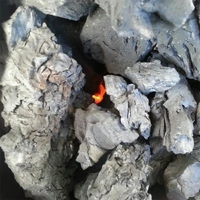
The most reliable approach is to start with enough fuel to build a stable coal bed, then top up gradually as needed rather than dumping large amounts mid cook. This keeps heat changes smooth and predictable.
2. Distance From The Fire
Distance is your temperature dial.
Closer to the coals means stronger radiant heat and faster browning. Further away means gentler heat and more control. This is why height adjustment is such a powerful feature in fire cooking. Raising food slows cooking immediately, lowering it increases intensity just as quickly.
3. Time
High heat is useful for searing and colour. Lower heat over longer periods is what delivers juicy results on thicker cuts. Using time and distance together lets you build flavour without rushing the cook.
Charcoal Vs Wood: How They Behave Differently
Charcoal and wood behave very differently, and understanding this helps prevent sudden heat spikes.
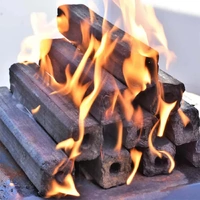
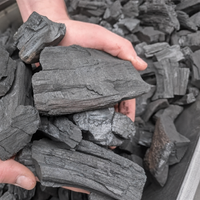
Charcoal provides steady, predictable heat and is ideal as the main fuel source. While wood burns at lower temperatures and produces more smoke. Many experienced cooks use charcoal for stability, then add small amounts of wood for flavour rather than relying on wood alone.
A simple rule is to treat wood like seasoning. A small amount adds character. Too much overwhelms the cook and makes heat harder to manage.
%20(1).jpg)
Using A Hood Or Lid To Stabilise Heat
If your fire cooking setup includes a hood or lid, it changes how heat behaves.
With the lid closed, heat circulates around the food, creating an oven-like environment that is ideal for roasting and thicker cuts. It also helps protect the fire from wind and speeds up cooking.
With the lid open, you get stronger direct radiant heat, which suits searing and crisping. Switching between lid open and closed gives you another layer of control without touching the fire.
If vents are present, make small adjustments rather than large swings. Small changes are easier to control and easier to repeat.
How To Handle Flare-Ups Without Ruining The Cook
Flare-ups usually happen when fat drips onto very hot coals. They are normal and easy to manage if you are prepared.
The fastest fix is to move food to the indirect side or increase distance from the fire. Let the flames settle before returning to direct heat.
To prevent flare-ups, avoid dumping very fatty foods directly over a fresh, aggressive coal bed. Rendering fat gently using indirect heat first, then finishing with direct heat for colour, gives better results and less stress.
When spit roasting, move the coals to the back of the coal bed, away from the “up rotation” of the meat, as this is where most of the dripping occurs, due to gravity and meat moving on the way up.
How To Tell If Your Heat Is Right Without A Temperature Dial
You do not need to rely on numbers to cook well over fire. You need consistency and awareness.
If food browns too quickly, increase distance or move to indirect heat. If food is cooking too slowly, bring it closer or add a small amount of fuel to the hot zone. If the outside is cooked but the inside is not, finish indirectly with the lid down.
For food safety, especially with poultry and larger cuts, a thermometer removes guesswork and builds confidence.
(P.S. A loose rule we use is if you can hold your hand there for 7-8 seconds, no longer than your meat is at a good distance from the fire.)
Adding Fuel Mid Cook Without Losing Control
One of the most common mistakes is adding too much fuel at once. This causes sudden heat spikes that are hard to recover from.
Instead, add fuel in small amounts and only to the hot zone. Let new coals ignite properly before spreading them. Keep the indirect zone clear so you always have a safe area to move food if needed.
Heat Control Cheat Sheet
For Searing
Use concentrated coals and direct heat. Finish indirectly if needed. (Best charcoal to use is Gidgee or Malle Root)
For Controlled Cooking
Use a two-zone setup. Cook indirectly with the lid down and finish with direct heat.
For Group Cooking
Maintain a steady coal bed rather than chasing high heat. Use indirect heat to hold food and direct heat to finish batches.
For Cyprus Spit Cooking
Use distance and height adjustment to manage browning. Keep a consistent coal line and top up gradually rather than all at once. (Hardwood Lump or Malle Root are the best charcoal to use for this).
To Wrap it Up…
Controlling heat over charcoal and wood is not about perfection. It is about habits that you can repeat. Build a two-zone fire, manage fuel thoughtfully, use distance as your control, and give yourself a safe zone for recovery. With a few cooks under your belt, heat control becomes instinctive and fire cooking becomes far more enjoyable.
If you ever feel unsure, slow the cook down, give yourself space from the fire, and remember that good results come from patience rather than chasing heat