How To Choose The Right Fire Cooking Setup | Outdoor Central
Author: Sasha Halabi

When choosing a fire cooking setup, it is easy to get distracted by size, materials, or features. At Outdoor Central, we always start with a much simpler question.
What do you actually want to cook?
The food you want to cook has more influence over the right setup than anything else. Whether it is slow roasted lamb, gyros spinning over charcoal, steaks cooked directly over fire, or feeding a crowd without stress, your cooking goals should guide the decision first. Once that is clear, space and layout become supporting factors rather than obstacles.
This guide is designed to help you choose the right fire cooking setup by starting with food, then refining the decision based on how and where you cook.
Step One: Decide What You Want To Cook Most Often
Fire cooking works because different setups are designed around different foods. Choosing the right style starts with being honest about what excites you when you think about cooking outdoors.
If you regularly cook whole chickens, pork rolls, lamb, or gyros, you are dealing with larger cuts that benefit from even heat and longer cooking times. These foods suit rotisserie style cooking where steady rotation allows fat to baste the meat naturally as it cooks.
If your outdoor cooking revolves around steaks, sausages, chops, and vegetables cooked directly over charcoal, you will likely enjoy a setup that gives you direct heat control. This style suits people who enjoy managing embers and adjusting heat manually.
If you want to cook a main while also grilling sides or appetisers at the same time, versatility becomes more important than specialising in one cooking method.
Once you define the food, the equipment choice becomes far clearer.
Match The Food To The Right Fire Cooking Style
With your cooking goals clear, it becomes easier to align them to the right type of fire cooking setup.
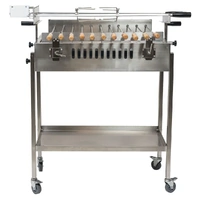
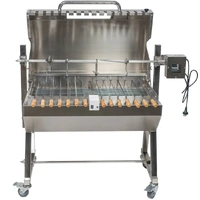
Spit Rotisserie Cooking
Best suited to roasts, whole animals, gyros, and cooking for groups. Rotation handles even cooking, which reduces stress and allows you to focus on managing charcoal and timing.

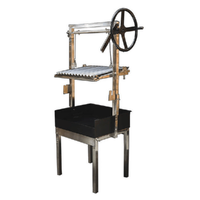
Parrilla Style Grilling
Ideal for steaks, sausages, vegetables, and cooks who enjoy hands on fire management. Height adjustable grills let you control heat by distance rather than relying on lids or thermostats. Authentic Argentinian Style Grilling.
 .
.
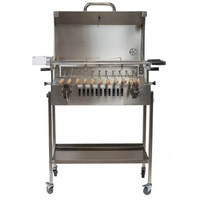
Cyprus Spit Style Cooking
A flexible option that combines rotisserie style cooking with charcoal grilling. This suits people who want to roast and grill in the same session without running multiple cookers.

Each style excels at different foods. None are better across the board. The right choice depends on what you want to cook most often.
Step Two: Consider How Often And For How Many People You Cook For
After food type, frequency and numbers matter.
Cooking occasionally places different demands on gear than cooking every weekend. Likewise, cooking for a household is different to feeding guests regularly.
If you cook occasionally, a simple and flexible setup may suit best. If you cook often, investing in better control, capacity, and versatility makes cooking more enjoyable rather than more complicated.
If you frequently cook multiple items at once, such as a main, sides, and appetisers, look for setups that allow multi zone cooking or multiple skewers.
Step Three: Make Sure The Setup Fits Your Space
Once food and frequency are clear, space becomes the final filter.
Most of our setups are freestanding, which gives you flexibility in how you position, store, and use them. This is ideal for backyards and alfresco areas where space is shared with entertaining and living.
Consider practical details.
- Do you need to move the unit when not in use?
- Are you cooking under cover or in an open area?
- Do you want something that packs away neatly?
A setup that fits comfortably in your space is far more likely to be used often.
A Note On Built-In Fire Cooking
While most of our products are freestanding, there are cases where a built-in solution makes sense. If you already have a firepit or a charcoal bay as part of an outdoor kitchen, a Parrilla insert can upgrade control without replacing the entire setup.


If you do not already have a built-in fire cooking space, freestanding setups are usually the more practical starting point.
Be Honest About Effort And Involvement
Fire cooking is rewarding, but there are different BBQs that have varying involvement levels. Deciding how much effort and involvement you want to put into the cook is an important aspect to consider, and answer truthfully.
Some people enjoy managing fire, adjusting heat, and spending most of their time at the grill. Others want a setup that does more of the work for them. There is no right or wrong approach, only what fits your lifestyle.
Choosing gear that matches how involved you want to be helps ensure you enjoy cooking rather than feeling pressured by it.
Quick Self Selection Guide
If you want a simple way to narrow your options, use these key points.
Choose A Spit Rotisserie If
- You cook roasts, gyros, chicken, or lamb often
- You entertain and want even cooking without constant flipping
- You prefer steady cooking over longer sessions
Choose A Parrilla Grill If
- You love direct grilling and hands on control
- You want to adjust heat using height over the fire
- You want to cook argentinian asado grilling
Choose A Cyprus Spit Style Grill If
- You want rotisserie style cooking and charcoal grilling in one
- You like cooking multiple items at the same time
- You want a versatile setup for family cooking and entertaining
Choose A Built In Insert Or Topper If
- You already have a firepit or outdoor kitchen cavity
- You want to upgrade control without buying a full freestanding unit
- You want a cleaner integrated look
Final Thoughts

The best fire cooking setup is the one that matches what you want to cook and how you like to cook it. When you start with food and then consider frequency and space, the decision becomes clearer and far less overwhelming.
At Outdoor Central, our focus is on helping people choose fire cooking setups that are practical, enjoyable, and built to suit what they want to cook. One you start with answering that, the rest will fall into place.